
When you drive past a STOP sign in Cape Town, it looks exactly the same as a STOP sign in Johannesburg. That’s not an accident; it’s compliance at work.
Behind every road sign in South Africa lies a framework of laws, standards, and manuals designed to make sure signs are safe, visible, durable, and uniform. At Otto Signs, we believe that understanding these frameworks isn’t just for engineers; it’s knowledge that empowers municipalities, contractors, estates, and even private buyers to make smarter choices.
Here’s a simple breakdown of how the puzzle pieces fit together.
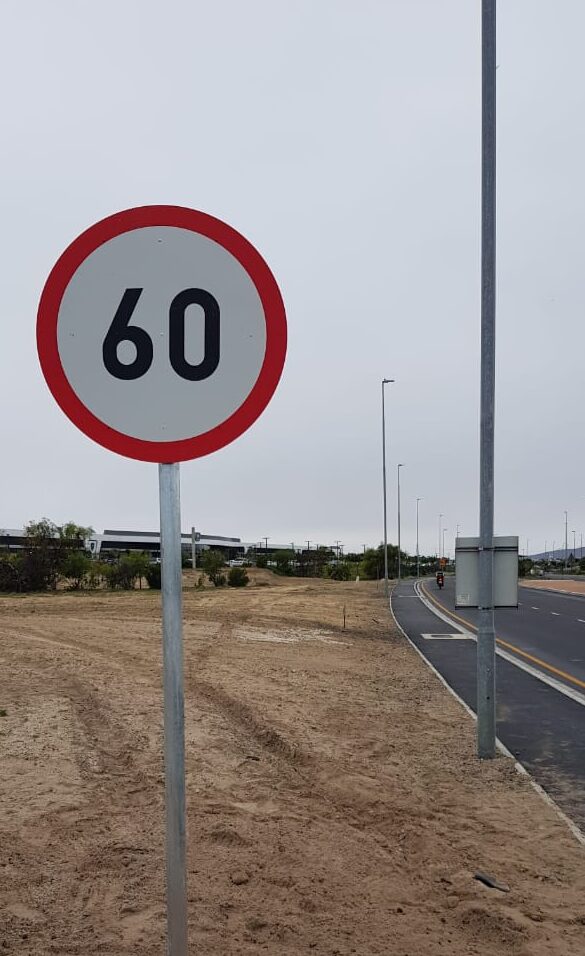

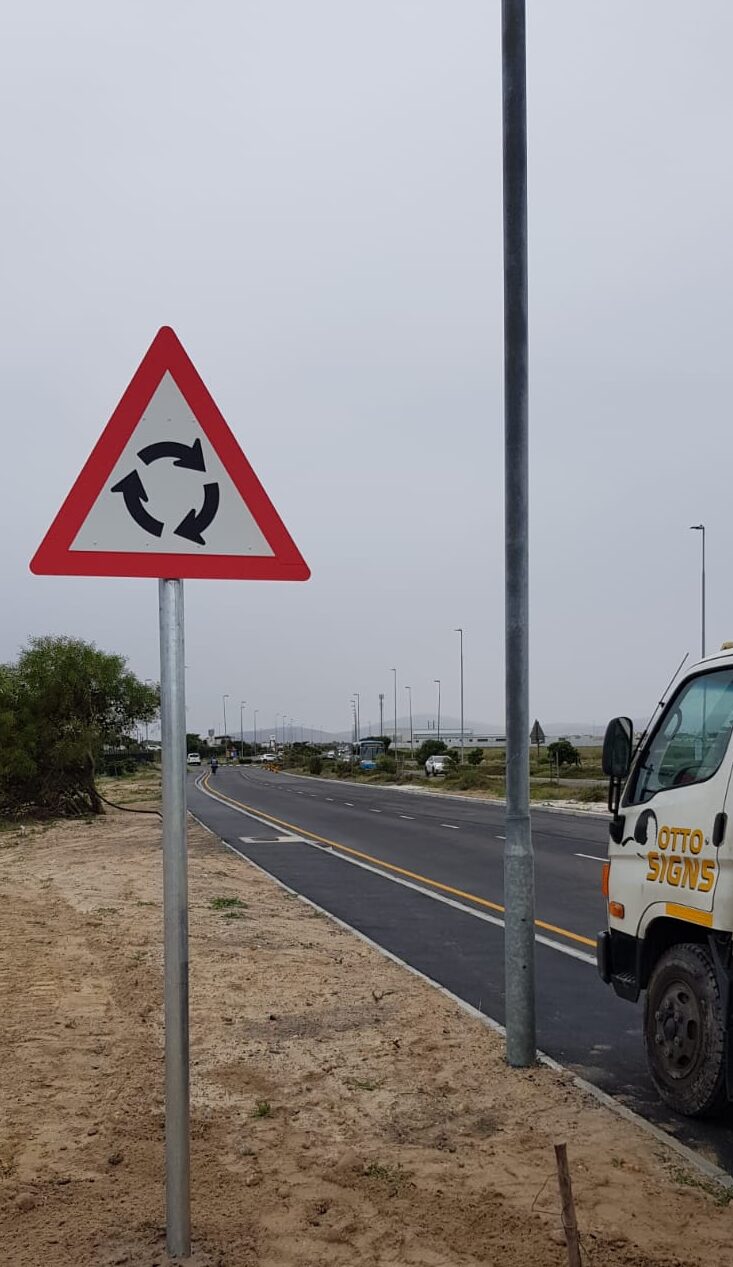
1. COTO – Committee of Transport Officials
COTO is the umbrella body that governs road standards in South Africa.
- Sets policies and technical standards for roads.
- Publishes key manuals like TMH11.
- Ensures national uniformity so road users have the same experience everywhere.
Think of COTO as the rule makers at the top of the chain.
2. TMH11 – Technical Methods for Highways No. 11
This manual defines the legal design of road signs.
- Shapes, colours, fonts, sizes, and symbols.
- Ensures a STOP sign in the Karoo is identical to one in Durban.
- Guarantees consistency so drivers can react quickly without confusion.
TMH11 is all about design discipline, making sure every sign looks and feels the same.
3. SANS 1519 – South African National Standard
SANS 1519 handles the materials and manufacturing standards.
- Specifies reflective sheeting classes (Class 1, 3, 4).
- Defines Chromadek thicknesses, steel specs, and corrosion resistance.
- Ensures signs are built tough enough to handle South Africa’s sun, rain, and coastal air.
SANS is the quality control stamp that keeps signs standing strong.
4. SARTSM – South African Road Traffic Signs Manual
While TMH11 and SANS focus on design and materials, SARTSM covers the practical application.
- Guides engineers and contractors on which signs to use, where, and how.
- Explains placement, orientation, and installation for maximum safety.
- Bridges the gap between the rules and the road.
SARTSM is the user manual for real world implementation.
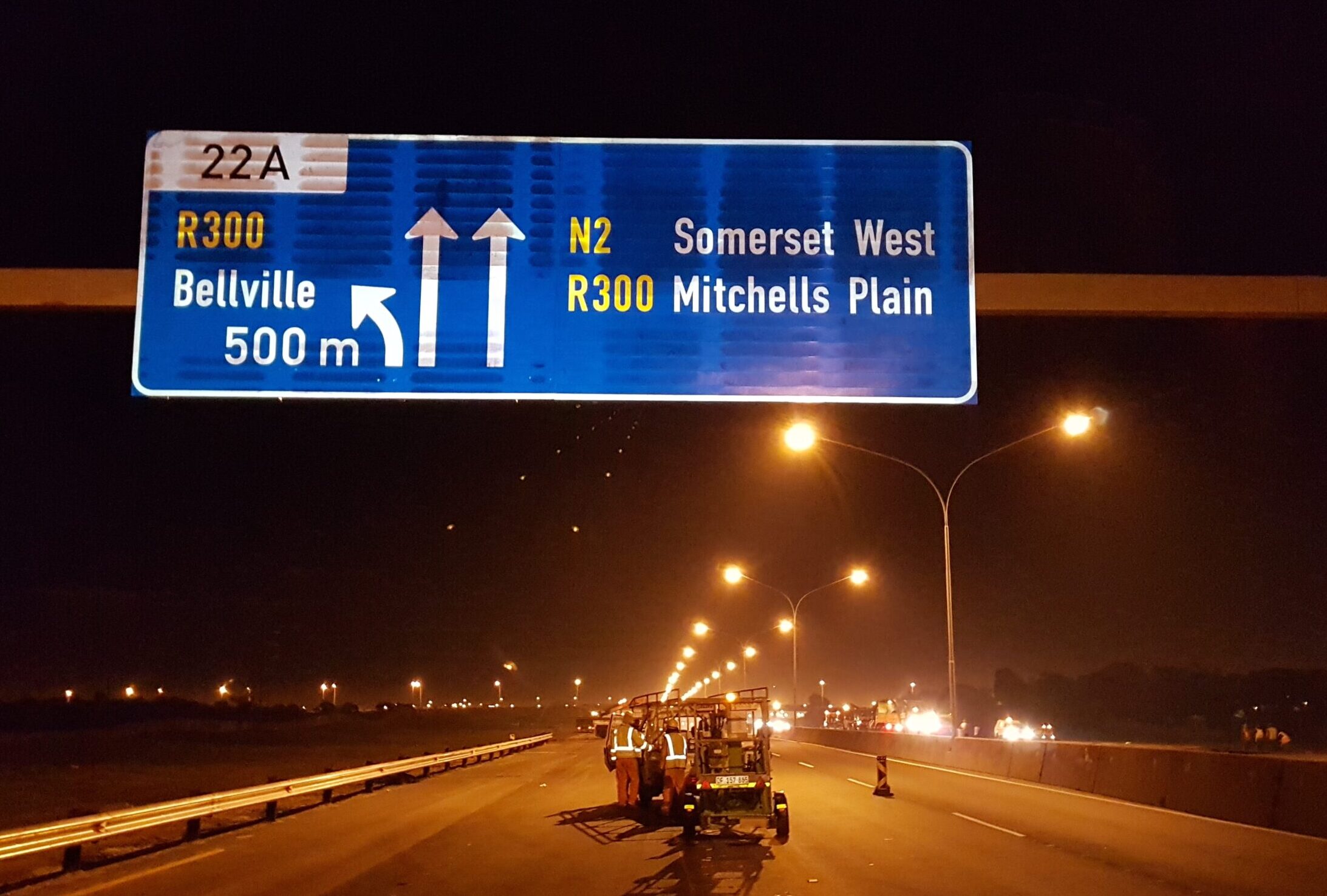
How They Work Together
- COTO → Sets the policies.
- TMH11 → Defines the design.
- SANS 1519 → Defines the materials.
- SARTSM → Explains application in the field.
Together, they make sure every road sign is:
✔️ Legally enforceable
✔️ Durable in tough conditions
✔️ Consistent and recognizable nationwide
Why This Matters for You
At Otto Signs, we manufacture with all four frameworks in mind:
- Designs follow TMH11.
- Materials meet SANS 1519.
- Application aligns with SARTSM.
- Oversight rests with COTO.
The result? Signs that are not just printed panels, but trusted safety systems that protect lives, prevent liability, and stand tall for years.
If your current supplier can’t answer how their signs align with these standards, it’s time to ask harder questions.
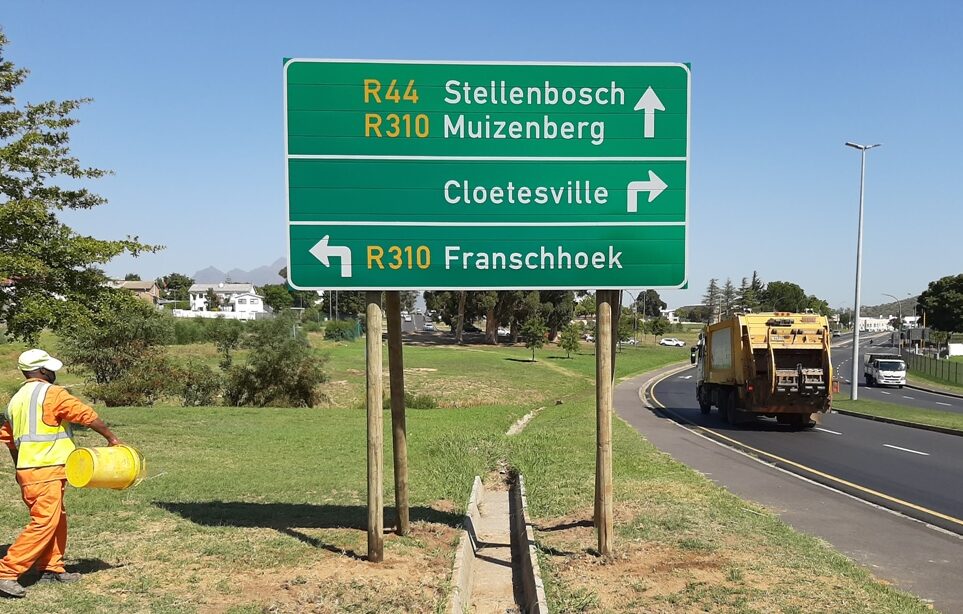
Otto Signs – Compliance You Can Trust
For over 35 years, Otto Signs has been helping contractors, municipalities, estates, and businesses choose the right signage, built to the right standards. When you order from us, you get more than a sign; you get peace of mind that it’s compliant, safe, and built to last.
Contact our team today for a free Compliance Check on your next order.


